Professional development Vacancies

Immunoprophylaxis

18.09.2019 Updated 17.09.2025 11902 views
Safety measures when using the combined vaccine for the prevention of diphtheria, tetanus, pertussis, hepatitis B and diseases caused by haemophilus influenzae type b

According to the State Register of Medicinal Products, the vaccine for the prevention of diphtheria, tetanus, pertussis, hepatitis B, and diseases caused by Haemophilus influenzae type b, conjugated, adsorbed (hereinafter – DTP-Hib-HepB), manufactured by Serum Institute of India Pvt. Ltd., India, was registered in Ukraine 16.04.2019 (registration certificate UA/17318/01/01).

The DTP-Hib-HepB vaccine with this antigenic composition has not been used in Ukraine. This vaccine is a suspension that must be shaken thoroughly before use. According to the information given in the instruction for medical use, the preferred injection site for the DTP-Hib-HepB vaccine is the anterolateral part of the thigh, or the deltoid muscle for older children. According to the recommendations of the World Health Organization (WHO), the injection site for children under 3 years of age is the anterolateral part of the thigh, and for those over 3 years it is the deltoid muscle. Unacceptable is the injection of the DTP-Hib-HepB vaccine into the gluteal muscle, as this may cause damage to the sciatic nerve.

It is prohibited to administer the DTP-Hib-HepB vaccine subcutaneously or intravenously. The route of administration of the DTP-Hib-HepB vaccine is intramuscular only.
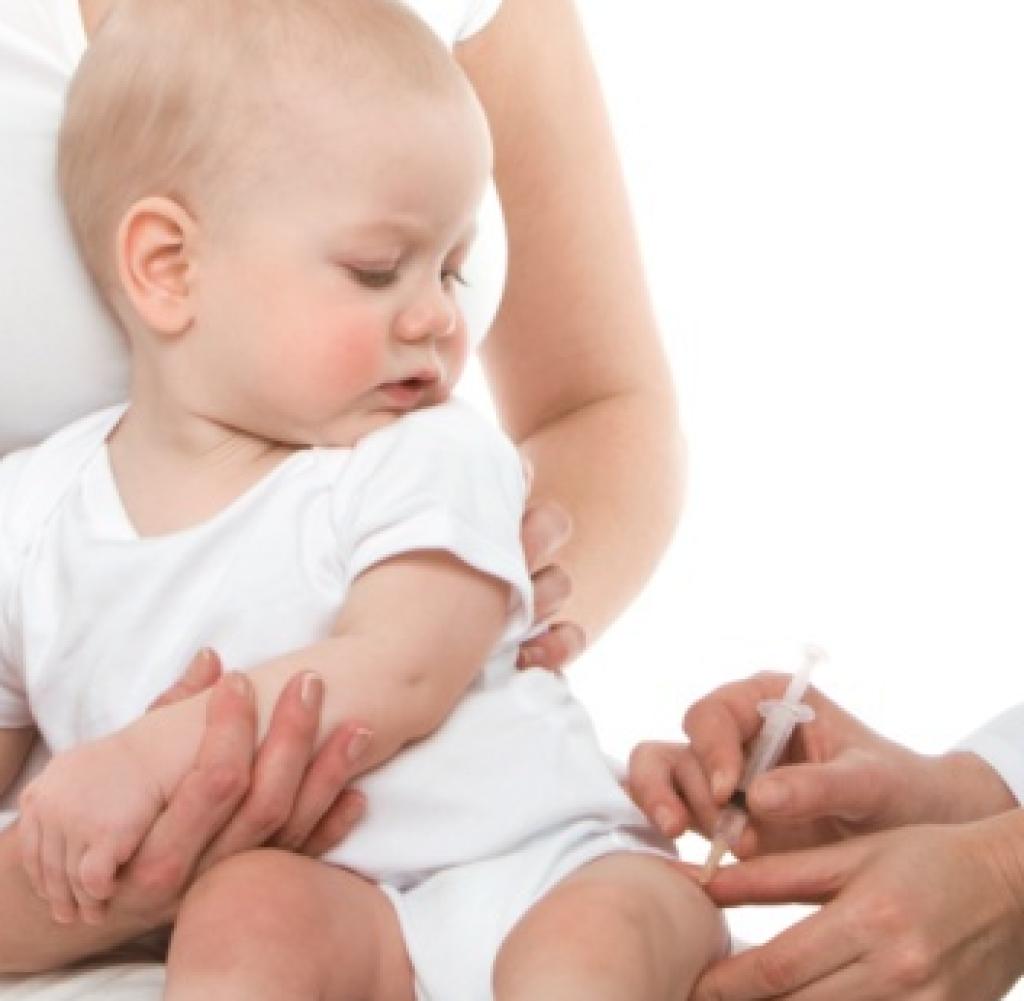
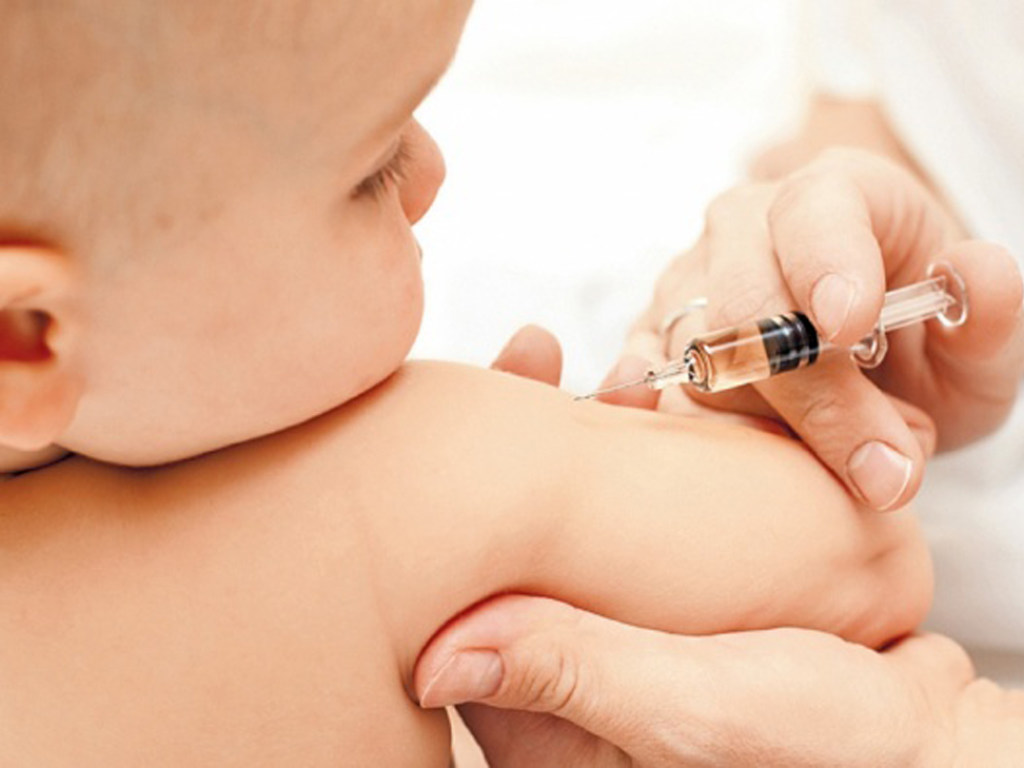
The DTP-Hib-HepB vaccine should not be mixed in a vial or syringe with other vaccines unless it is licensed for use as a combination product.

Before administering the DTP-Hib-HepB vaccine, the vaccine vial should be inspected for any foreign particles and/or deviations in physical properties. If there are any deviations, do not use the vaccine; dispose of it.

Before administering the DTP-Hib-HepB vaccine to a child, a medical examination by a doctor and temperature measurement must be performed, and the contraindications specified in the package leaflet must also be taken into account.

In accordance with generally accepted immunization rules, after vaccination the child must be monitored for 30 min. in a medical facility in order to provide timely emergency medical care in case of an immediate-type allergic reaction.

The type and intensity of severe adverse reactions do not differ significantly from the reactions to the combined vaccine against pertussis, diphtheria and tetanus (DTP), the hepatitis B monovaccine and the vaccine against diseases caused by haemophilus influenzae type b, which are described separately.

The most common adverse reactions after administration of the DTP-Hib-HepB vaccine are changes at the injection site (pain, swelling, hyperemia, infiltrate), which usually occur in the first 72 hours after immunization, and an increase in body temperature, which occurs within 48 hours after immunization. The list of possible adverse reactions can be found in the section “Adverse reactions” of the package insert for medical use.

The package leaflet for the DTP-Hib-HepB vaccine, approved by MoH order No. 859 of 16.04.2019, is available at http://www.drlz.com.ua/.

After immunization, parents must be advised to seek medical care if any health problems appear in the child within 30 days after vaccination.

If adverse reactions and/or adverse events following immunization/tuberculin diagnostics develop, the physician should notify the State Expert Center of the Ministry of Health of Ukraine by completing a report form. The report form, in paper and/or electronic format, can be found at https://dec.gov.ua/materials/medichnim-ta-farmaczevtichnim-praczivnikam/?role=doctors. We remind you that from 2017, the report form can be submitted quickly and conveniently through the automated pharmacovigilance information system (AISF) https://aisf.dec.gov.ua/Account/LogOn.

Influenza

Influenza. What is it and how to counter it?

Seasonal influenza is an acute respiratory infection caused by influenza viruses circulating worldwide. There are 4 types of seasonal influenza viruses – A, B, C and D. It is influenza viruses of types A, B and C that cause disease in humans, while type C influenza virus is detected less often and leads to mild manifestations of infection. Type D viruses are mainly dangerous for cattle.

Seasonal influenza is transmitted easily and quickly, especially in places where many people gather (stores, public transport, enclosed organized children's groups, etc.). The disease can have either a mild or a severe course, and can even lead to death. Hospitalizations resulting from a severe course of the disease or from complications that may lead to death occur mainly in high-risk groups, which include pregnant women, children older than 6 months, the elderly (over 65 years), and people with chronic diseases. According to World Health Organization (hereinafter - WHO) estimates, annual influenza epidemics lead to 3-5 million cases of severe illness, of which 290-650 thousand end in death.

Only one thing can be said about the flu season with certainty – it will definitely happen. How and when will it start, how severe will it be? The answers to these questions change as often as the types of influenza viruses themselves.

According to the Public Health Center in Ukraine, in the period 04-10.11.2019, 150 171 people fell ill with acute respiratory viral infections, of whom 66,5% were children under 17 years of age. The morbidity rate was 392,7 per 100 thousand population. As of 10.11.2019, there is still no circulation of influenza viruses in the country.

Preventive vaccination calendar in Ukraine
Useful links
Recommendations on the composition of influenza vaccines for the 2025-2026 season

Annual influenza vaccination is an important tool for health protection. Because of continuous antigenic changes in the influenza virus, WHO updates its recommendations on vaccine composition every year. Following a technical consultation, WHO announced recommendations on the strain composition of influenza vaccines for the 2025-2026 influenza epidemic season for the Northern Hemisphere:

Vaccines cultured on chicken embryos:

  • A/Victoria/4897/2022 (H1N1)pdm09-like virus;
  • A/Croatia/10136RV/2023 (H3N2)-like virus;
  • B/Austria/1359417/2021 (B/Victoria lineage)-like virus;

Vaccines based on cell cultures, recombinant proteins, or nucleic acids:

  • A/Wisconsin/67/2022 (H1N1)pdm09-like virus;
  • A/District of Columbia/27/2023 (H3N2)-like virus;
  • B/Austria/1359417/2021 (B/Victoria lineage)-like virus.

Where quadrivalent vaccines are used, the B/Yamagata lineage component remains unchanged compared with previous recommendations – a B/Phuket/3073/2013-like virus (B/Yamagata lineage).

As of 16.09.2025, in Ukraine the following registered influenza vaccines have updated their strain composition in line with the current 2025-2026 epidemic season:

  • GC Flu Quadrivalent, split influenza vaccine, quadrivalent, inactivated; manufacturer/applicant: GC Biopharma Corp., Republic of Korea;
  • Vaxigrip® Tetra / Vaxigrip tetra split-virion quadrivalent inactivated influenza vaccine Sanofi Pasteur, manufacturer/applicant: Sanofi Pasteur, France.

The updated vaccine composition provides better protection against the most relevant influenza strains. This is especially important for risk groups: children, the elderly, pregnant women, and persons with chronic diseases.